Saturday, 6 March 2021

Goosing around at Kilcoole

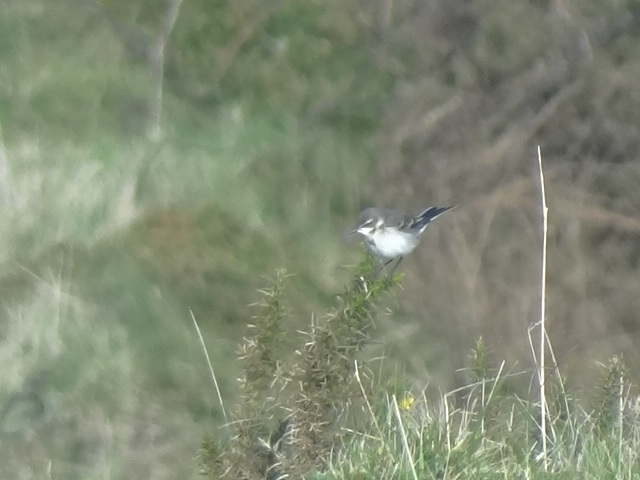
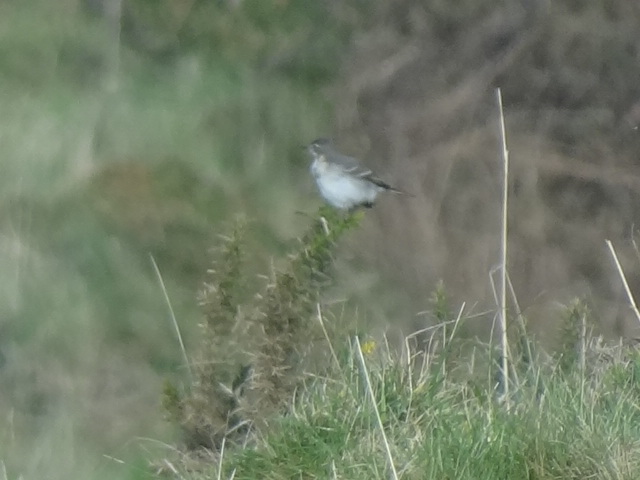
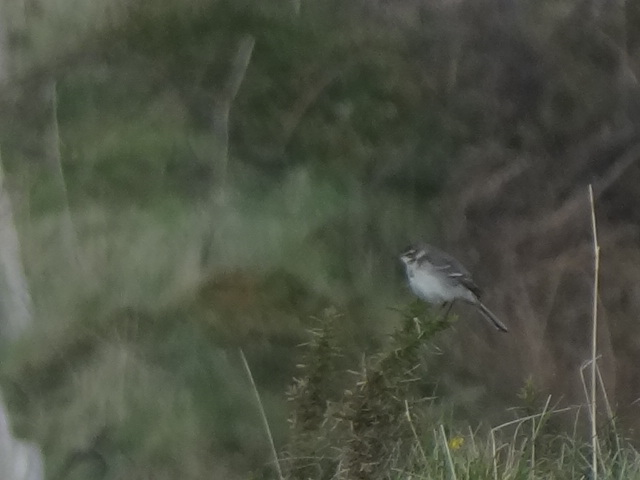
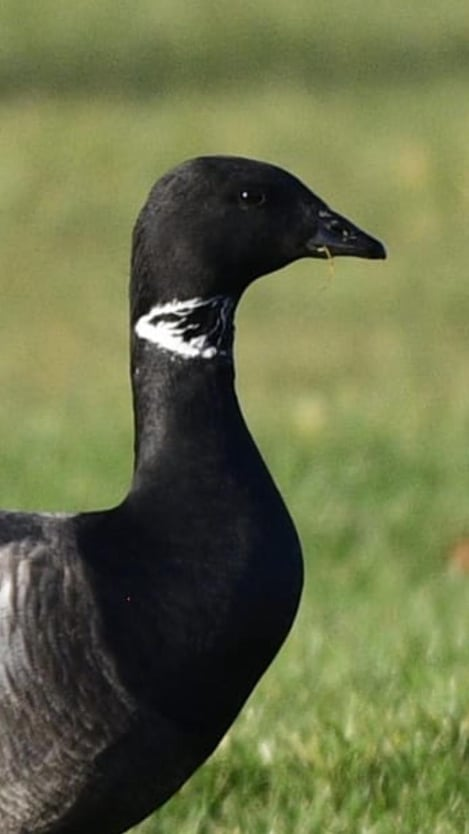
Presumed hybird brent at Kilcoole Marsh, Wicklow March 2021

Presumed pale-bellied x dark-bellied brent intergrade with pale-bellied brent, Kilcoole
The upper part tone standing out like a sore thumb amongst the pale-bellied flock. The white flank patch also quite contrasting between the brown under parts and upper parts. 

Poor digiscoped image (Some of the other birds appear quite grey, this is due to the poor image quality)

I had seen what I presume was this bird flying south with a flock of six pale-bellied past Greystones while on some survey work. So I had then decided to make my way towards Kilcoole along the coast to try and refind what I suspected was an adult dark-bellied brent. To my susprise I saw this bird amongst the pale-bellied flock as I arrived at Kilcoole. Myself and Justin Ivory both saw this bird and were quite intreged by it. The white area on the flanks was to an extent that I had never seen on any dark-bellied I had seen in Ireland to date. And that is quite a few. I tend to see at least one or two dark-bellied each spring at Kilcoole as the numbers build before they begin their migration to breeding grounds. Apart from the large white flank area this bird was quite a classic dark-bellied. This particular individual had been first recorded by Jan Rod in Dublin back in January 2019. How do we know it was the same bird? Well it is ringed. A white ring on the right leg with the letter N and a black ring on the left leg with the number 4. I hope to find out some more information to as of where this bird was ringed and when. Hopefully I will see this bird and the possible Female grey-bellied candidate that is also present in this flock again next week. I suspect that the possible grey-bellied is the same bird photographed by Sean Geraty in Dublin back in January of this year. Sean also photographed the presumed intergrade pale x dark-bellied in Dublin around the same time. This shows the movement there is between Dublin and Wicklow of brent each year, especially in spring. There's hope for the black brant to show up at Kilcoole yet! 


Presumed hybrid pale x dark-bellied brent
This image shows the extend of which the brown flows under the vent area like on a typical dark-bellied. Perhaps not quite to the extend of many dark-bellied. This is the first intergrade type between the two subspecies I have seen. The only other confirmed hybrid I have seen was a suspected black brant x pale-bellied brent at the Wexford wildfowl reserve. Can dark-bellied brent ever show this white flank patch? is also a question that must be asked and researched some more. This bird along with the possible grey-bellied both appear to be injured. The hybrid type on its wing and the possible grey-bellied is hoping around due to an injured leg or foot.

Presumed hybrid pale x dark-bellied brent

Possible grey-bellied brant, Dublin - Sean Geraty (top image) Bottom image Kilcoole, 05/03/2021
Unfortunatly all the images I managed of this bird were very poor but it was very striking in the field. Let's hope it is still present mid week. A lot more work to do on this very interesting subject both in Ireland and abroad. Let's keep learning and discovering. 


More to follow mid week hopefully, stay tuned if you haven't fallen asleep by now!

#Brent #Geese #Spring #Iirshbirding #VikingOptical #BirdGuides #LifeofanIrishbirder 


Saturday, 6 February 2021

Eastern Yellow Wagtail

(Eastern yellow wagtail, Dursey Island,

Cork, 3 Nov 2017 - Joe Proudfoot)


On the 3rd of November 2017 I received a text message and some back of the camera photos from my friend Joe Proudfoot of a very grey yellow wagtail that he had just found on Dursey island, Cork. I was very intrigued by the photos and asked Joe had he heard the bird calling yet, he had and also managed a sound recording. The call and plumage being the key identification features, all nailed by the photos and recording. Just Ireland’s second confirmed record of this vagrant. The first being another first-winter on Tory Island, Donegal on the 12th October 2013. 


Identification:

Although Joe’s images are not of great close up quality (To be expected from Joe lol) PS. Sorry for slagging Joe. The grey plumage of a yellow wagtail in Autumn is always striking and could mean you are onto something rather rare, just like this bird. The Eastern yellow wagtail has been thought to be an extremely rare vagrant to Ireland for many years, though perhaps they are not as rare as we think? I have seen quite a few images of grey plumaged yellow wagtails from Autumn in Ireland from over the years and suspect that we didn’t know enough about the Eastern yellow wagtail to explore deeper into these previously recorded candidates. Unfortunately from the images of this bird many of the key features are difficult to see in any detail.


Calls and Sonogram:

This grey plumaged yellow wagtail gave the classic raspy citrine like calls. Which is the key piece of the puzzle when identifying Eastern yellow wagtails. Below are three sonograms from Magnus Robb confirming that this bird was an Eastern yellow wagtail along with the images.


Key Features:

  • Prominent supercilium which is flared behind the eye

  • Light grey face and upper parts

  • White on the greater and median wing coverts, forming two wing-bars

  • White edges to the tertials

  • Grey wash to the flanks

  • Greyish spot to the centre of the chest

  • No obvious since of a lateral crown stripe

  • Grey ear-coverts

  • White crescent below the eye

  • White under-tail coverts seen at a distance


References: (EYW British birding.pdf) (BotEADutchBirding365295-311_2014.pdf)


White under parts contrasting with the grey upper parts and grey washed flanks.

Light grey upper part tone show in this image taken in better light than the one below. Showing those white wing-bars off.

The grey wash to the flanks is well represented in this image, along with the dark mark on the centre of the chest. 


I think more and more Autumn grey plumaged yellow wagtails will be scrutenied harder from now on. And why not, we will find more Eastern yellow wagtails, and that has been the case with at least two more birds found and confirmed in Wexford and Galway. These are birds that we should be discussing about more often, and that is

Why I enjoy making these short blog posts about other peoples encounters in the 

Field. 


#Wagtails #Autumn #Teamwork #Discovering #VikingOptical 

#BirdGuides #Yellowwags


Tuesday, 2 February 2021

                        Winter birding: Caspian gull

hybrid in Dublin?


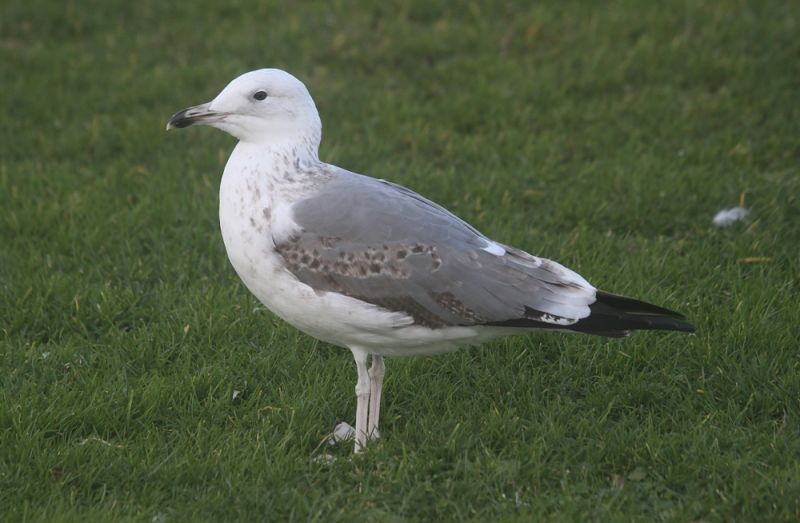
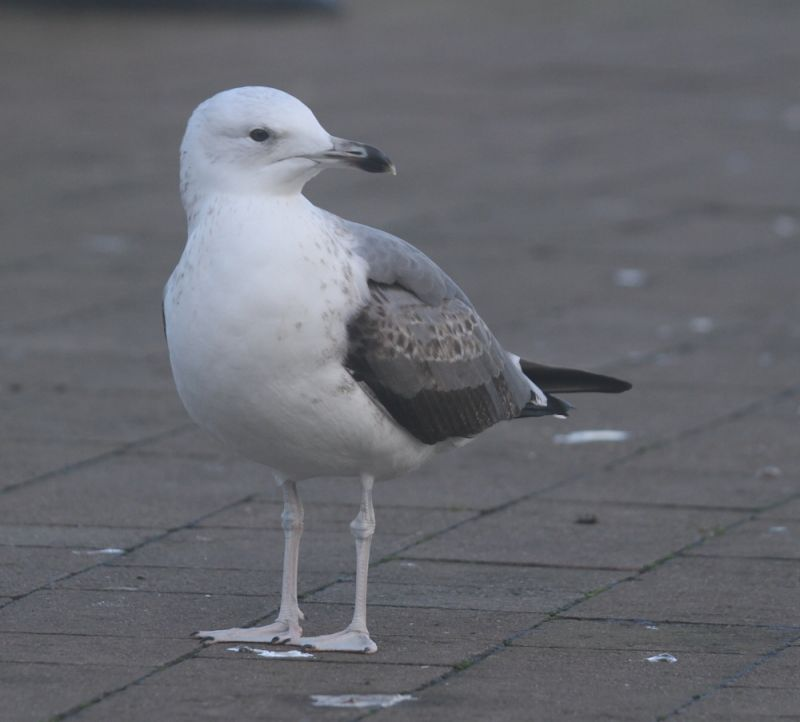
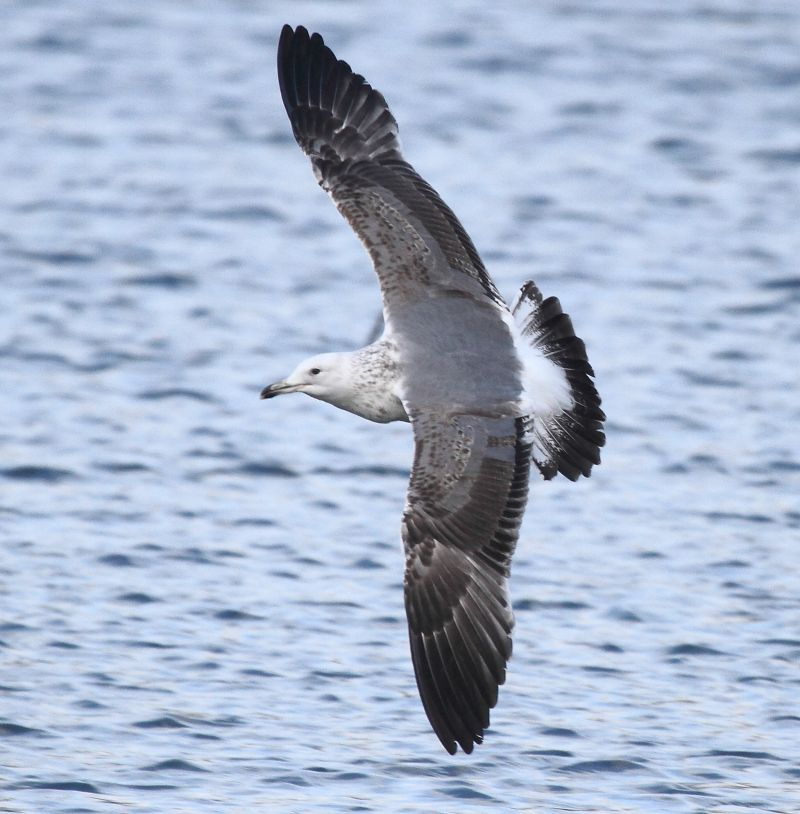
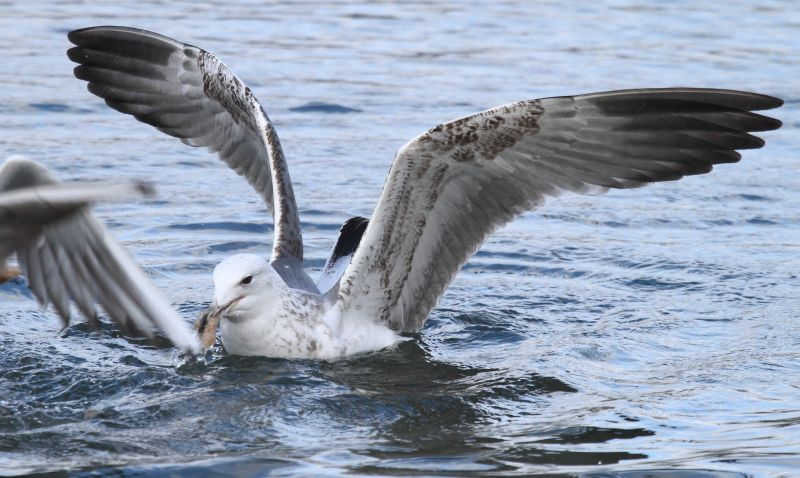
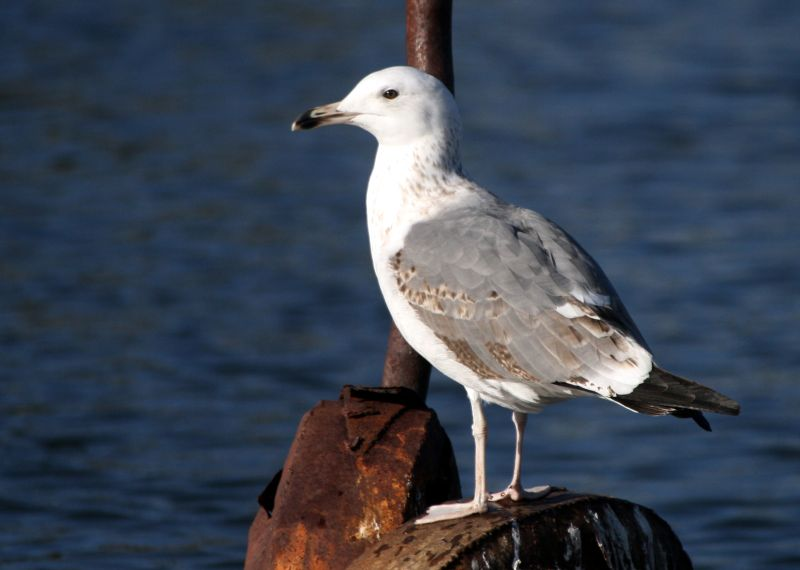
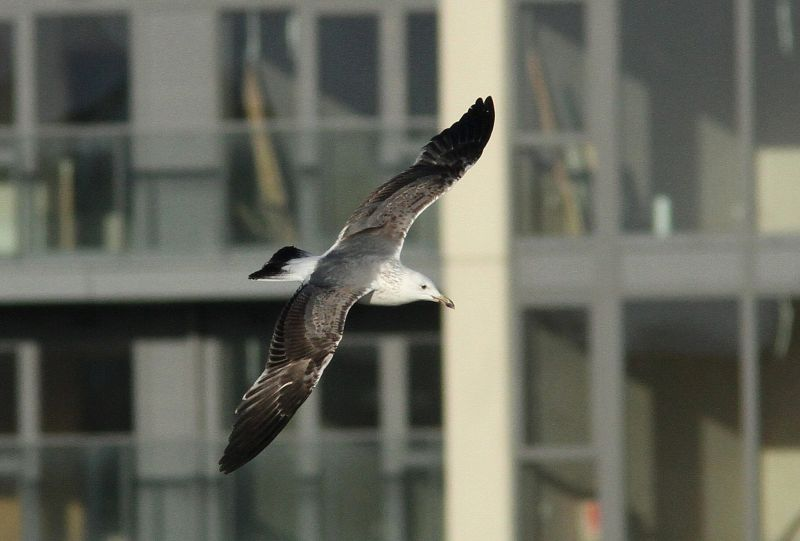
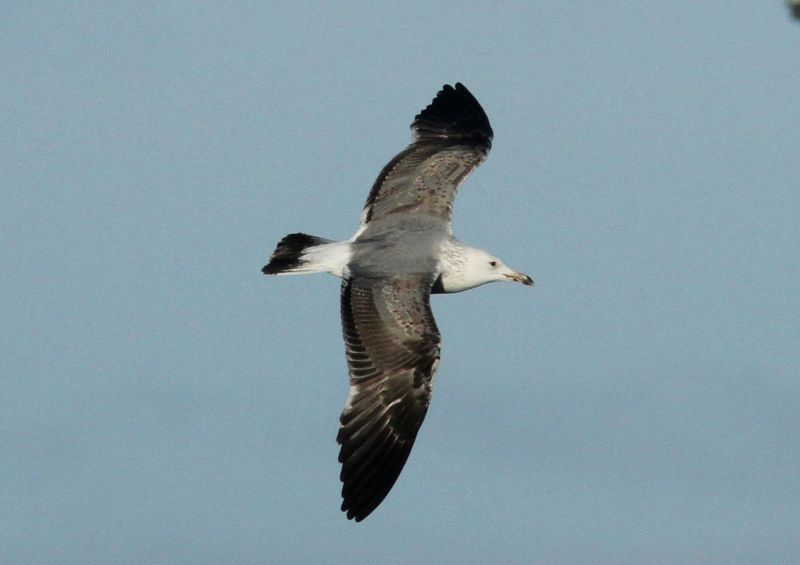
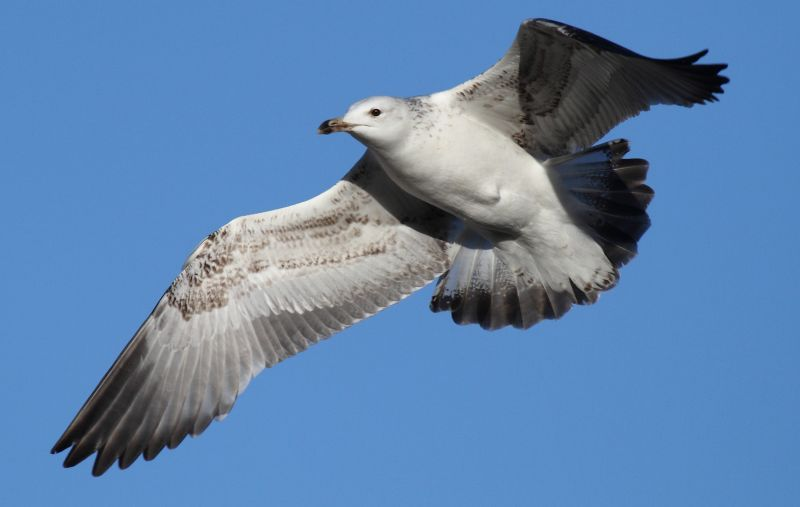
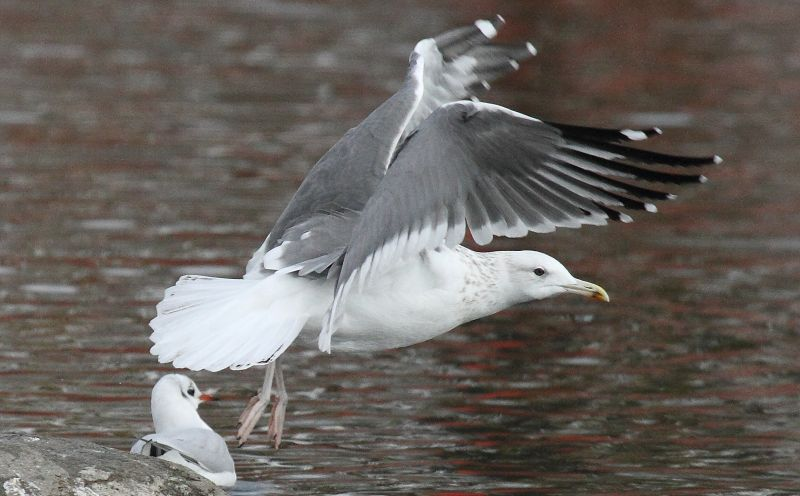
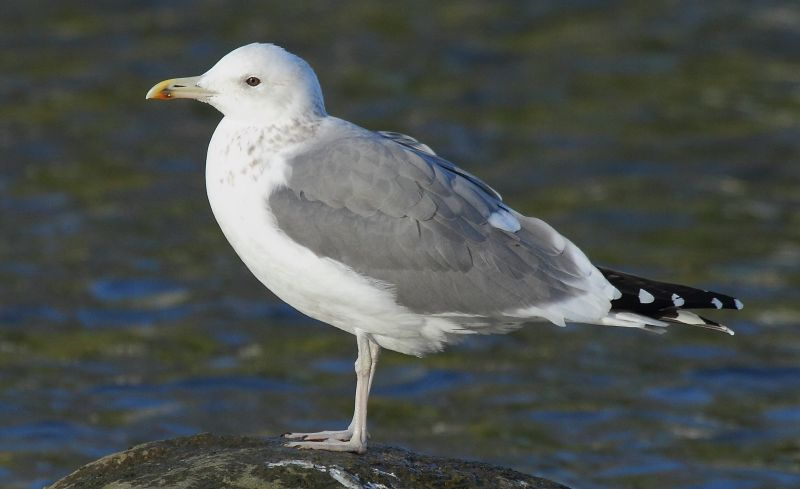
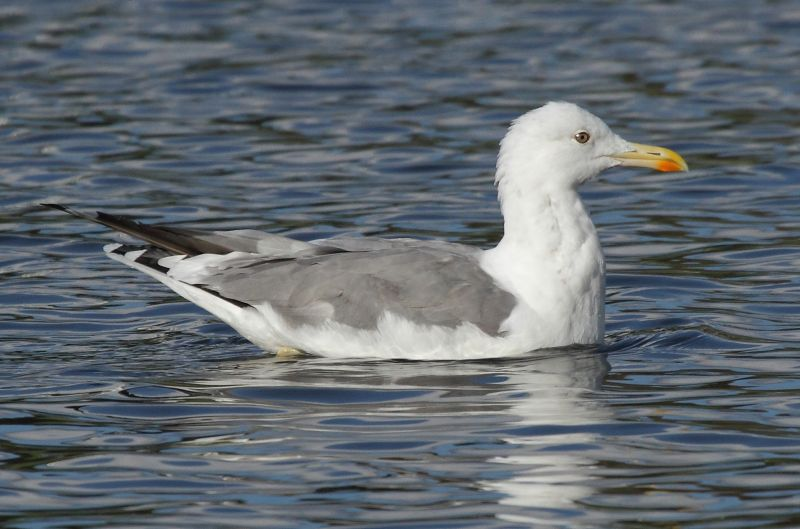
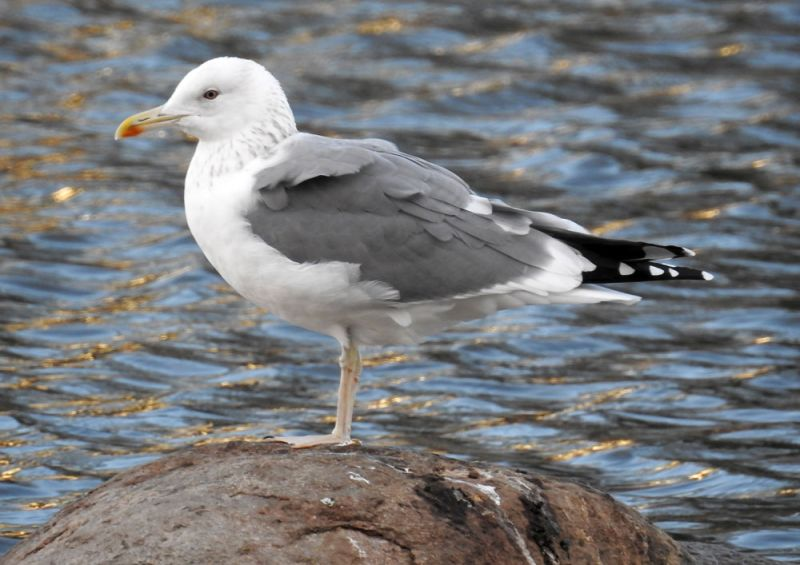
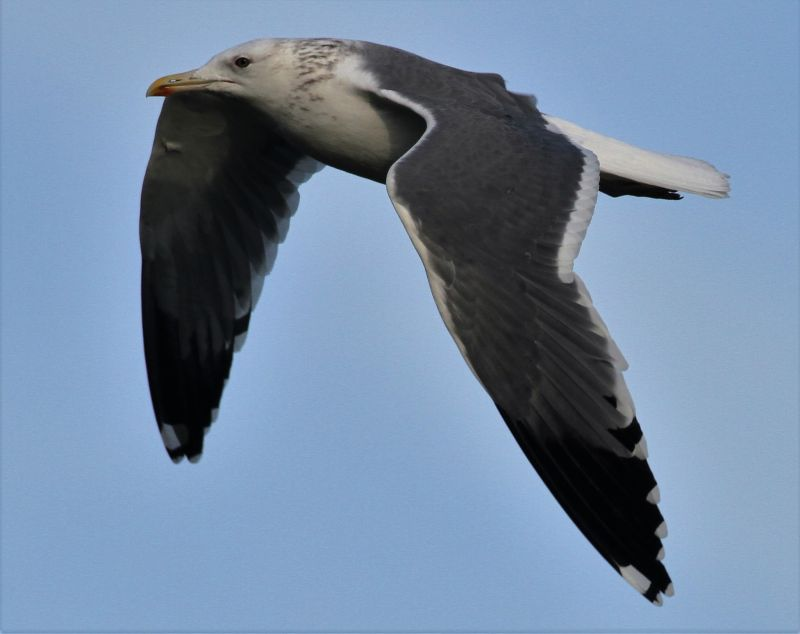
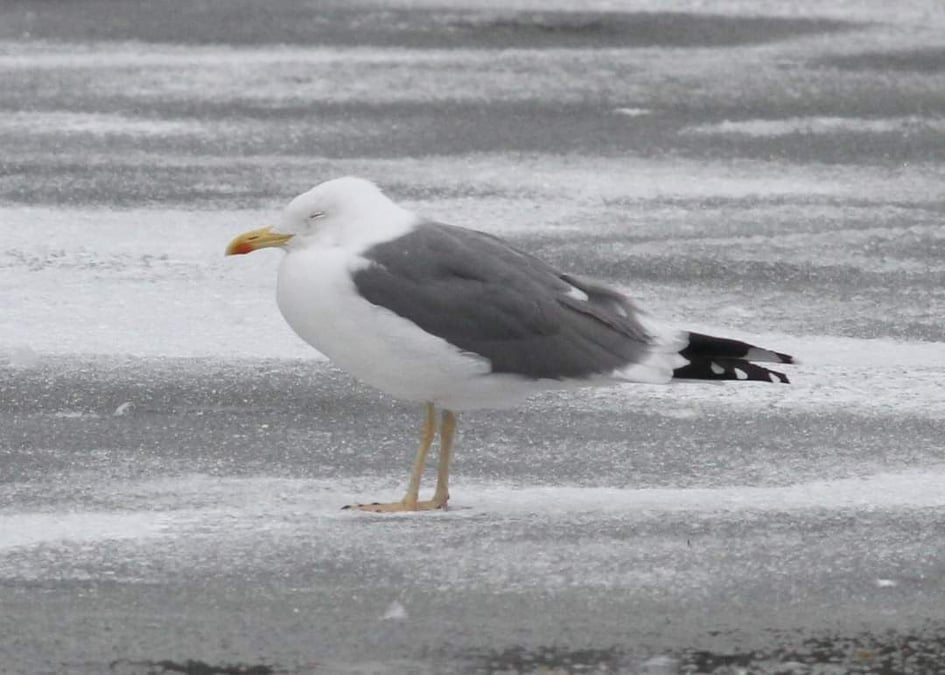
On the 9th of December 2013 a suspected second-winter Caspian gull was photographed at Sean Walsh park, Tallaght, Co. Dublin, found by Graham Prole. The bird had initially been suspected to have been a yellow-legged gull. Though images had been sent around and came to a conclusion that it was most likely a Caspian. I was lucky to see this bird as a second-winter when I was a teenager still in secondary school. I had just assumed with my lack of knowledge on gulls that this bird was a Caspian gull! Though after hearing some comments when the bird had returned as a third-winter and then as a subadult/adult the bird was being questioned as a possible hybrid. I then began to take some more interest in this bird, I had as a teenager put this bird on my Irish life list. Though, now have subsequently taken it off as I do in fact think this bird was a hybrid. I have since seen two adult Caspian in Ireland thankfully! 


Hybrid Caspian x lesser black-backed gulls are something that are not well covered in literature to date. But given the breeding range of both species it is highly likely that these species do hybridize with one another. It was nice to delve into the identification of this Dublin bird and shed some more light on this subject. This bird was also recorded by Niall Keogh on Sandymount strand, Dublin on March the 10th 2018 with lesser black-backed gulls and Niall had also suggested that this bird maybe a Caspian x Lesser black-backed.


Presumed Caspian x lesser black-backed gull, Sean Walsh park, Tallaght, Dublin - Pat Lonergan


Second-winter:

As a second-winter this bird was thought to be fine for a Caspian, though perhaps a tad dark on the mantle and lacking a white spot on P10 throughout it's second-year which is not a good feature for a Caspian.


Presumed Caspian x lesser black-backed gull, Sean Walsh park, Tallaght, Dublin - Pat Lonergan


Presumed Caspian x lesser black-backed gull, Sean Walsh park, Tallaght, Dublin - Pat Lonergan


Presumed second-winter Caspian x lesser black-backed gull, Sean Walsh Park, Tallaght, Dublin - Stephen Lawlor


Presumed second-winter Caspian x lesser black-backed gull, Sean Walsh Park, Tallaght, Dublin - Stephen Lawlor


Presumed second-winter Caspian x lesser black-backed gull Sean walsh park, Tallaght, Dublin - Jim Bowman

Presumed second-winter Caspian x lesser black-backed gull Sean walsh park, Tallaght, Dublin - Jim Bowman


Presumed second-winter Caspian x lesser black-backed gull Sean Walsh park, Tallaght, Dublin - Dick Coombes


In terms of viewing this image, this bird looks like what you would expect in quite a classic Caspian of this age. White underwing, common gull like face, eye, slightly drooping bill and long winged all favour a Caspian.


AS a third-winter:

The bird had presumably returned for its second winter now as a third-winter bird. And now perhaps looking even more hybrid like. The mantle tone is very striking in terms of just how dark it is for a pure Caspian, resembling a closer shade to a Scandinavian herring or hybrid herring x lesser black-backed.


Presumed third-winter Caspian x lesser black-backed gull Sean Walsh park, Tallaght, Dublin, 16th Nov 2014 - Stephen Lawlor 


Primary 10 (P10) on this bird is not a good pointer towards a pure Caspian as it should be black with a pure white unbroken tip. P5 also tends to show a neat black band rather like that of a yellow-legged gull.


Presumed third-winter Caspian x lesser black-backed gull Sean Walsh park, Tallaght, Dublin, 22nd Nov 2014 - Dave Fox

Presumed third-winter Caspian x lesser black-backed gull Sean Walsh park, Tallaght, Dublin, 22nd Nov 2014 - Dave Fox


Presumed third-winter Caspian x lesser black-backed gull Sean Walsh park, Tallaght, Dublin - 7 Dec 2014 - Stephen Lawlor


In this image the bird appears paler, though this is due to the strong sunlight hitting the bird. The mantle tone appears paler than seen in previous images. 

Presumed third-winter Caspian x lesser black-backed gull Sean Walsh park, Tallaght, Dublin - 10th Dec 2014 - Conn O’Brien


Even though this image was captured in the fading winter light it does give a good reflection of just how dark the upper parts are on this hybrid. The hind neck streaking is rather Caspian like.


Presumed third-winter Caspian x lesser black-backed gull Sean Walsh park, Tallaght, Dublin 8th Jan 2015 - Dave Fox


Sub-adult/adult:


Presumed sub-adult/adult Caspian x Lesser black-backed gull Sean Walsh park, Tallaght, Dublin - Stephen Lawlor


Presumed sub-adult/adult Caspian X Lesser black-backed gull Sean Walsh park, Tallaght, Dublin 20th Dec 2015 - Stephen Lawlor 


This image gives a caspian and lesser black-backed feel, from the mantle tone to the bill. I can see both species in this bird. Fleshy pale leg colour. This bird is also not the bulkiest like many Caspian are considered to be, though Females may vary of course.


Presumed sub-adult/adult Caspian x Lesser black-backed gull Sean Walsh park, Tallaght, Dublin 30th Dec 2015 - Paul Bourdin 


  • P10 white with a black mark

  • Solid black band on p5

  • Black mark on p4 (Can be seen on pure Caspian)

  • Dark upper parts similar to that of a hybrid Lesser x herring

This photo always reminds me of a Heuglin’s gull!


Presumed Adult Caspian x Lesser black-backed hybrid Sean Walsh Park, Tallaght, Dublin, March 2018 - Paul Bourdin


These link is worth a look for pure and hybrid Caspian gulls

(http://gull-research.org/cachinnans/01cyaug.html)

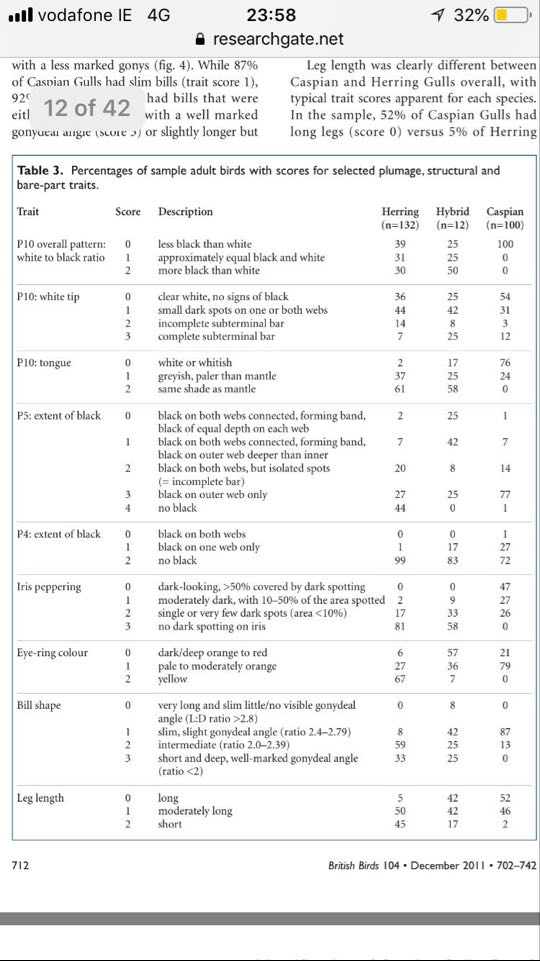
This table is also worth some reading (British birds)


This was a very interesting bird and I would be keen to hear anyone’s thoughts on what this bird's identification is. 


#Gulls #Dublin #VikingOptical #BirdGuides 


Sunday, 31 January 2021

Winter Birding: Wintering Lesser Whitethroat in Co. Tyrone by Brian Mccloskey


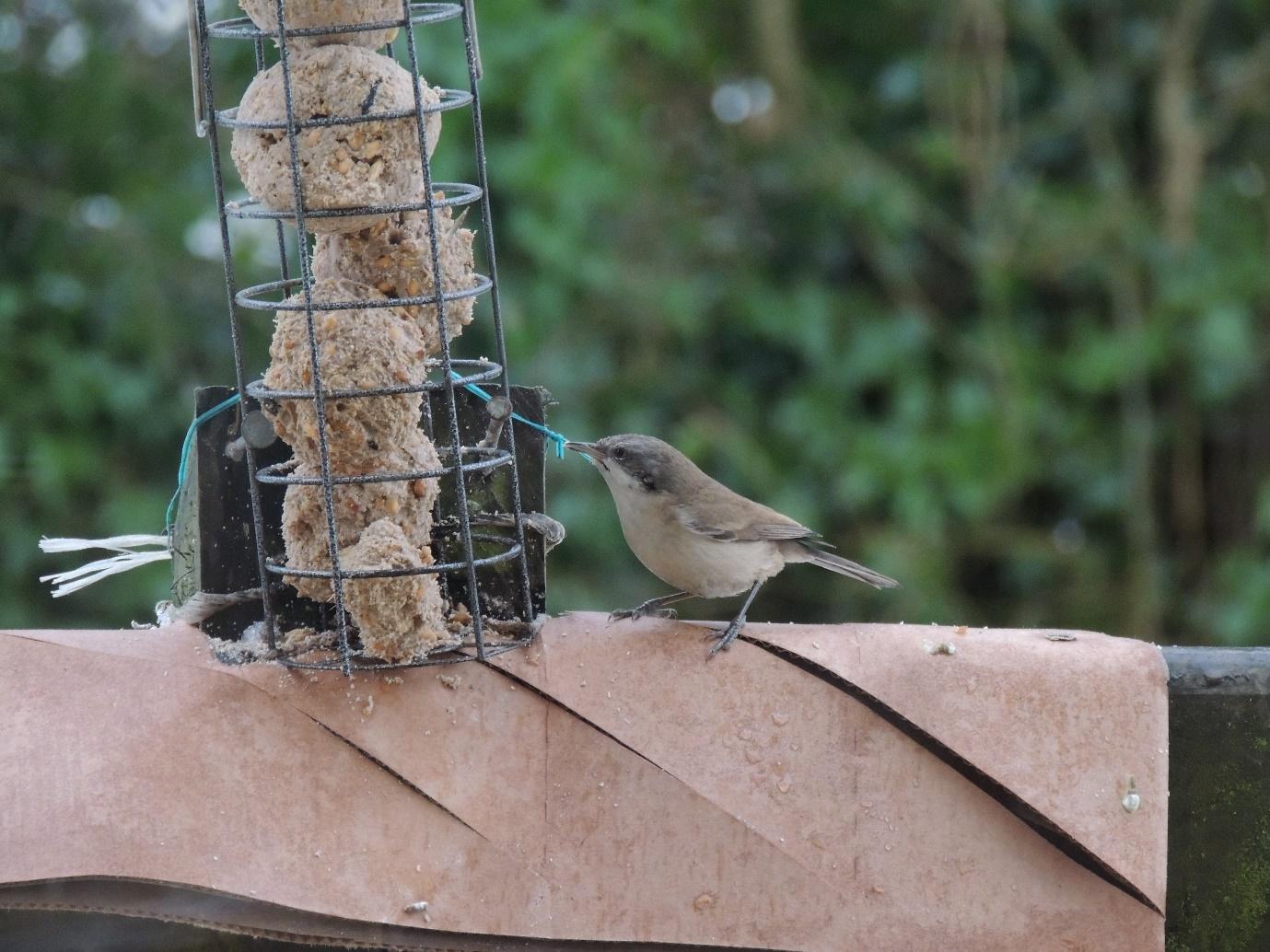
Winter lesser whitethroat by Brian Mccloskey

Siberian Lesser Whitethroat description.


On the 7th of January information about an overwintering Lesser Whitethroat went up online, with two pictures attached. When I saw these pictures, I was very intrigued. It struck me as a Lesser Whitethroat that was possibly of eastern taxa. I wanted to see it but unfortunately the Tuesday and Sunday that were arranged for viewing didn’t suit me with work. John Cusack and Tom McEntee wanted to see the bird as well and we headed up from Monaghan on Saturday the 19th January. We had great views and John managed a record shot of the tail in flight. I left feeling a little disappointed as I knew it couldn’t be identified from the pictures we had gotten. That evening Wilton Farrelly informed me that he had heard a single tack call. With my thinking pushing towards eastern taxa, a tack call would rule out vagrant S.c.halimondendri (Desert Lesser Whitethroat) based on current knowledge, but more information was needed to get this birds identification over the line.

Still intrigued by the bird, Gerard Murray and myself headed up two days later on the 21st. Unfortunately, the weather was a bit rainy and windy and despite good views over 4 hours we had nothing to boost our speculation that it was of the S.c.blythi (Siberian Lesser Whitethroat) subspecies. Cardboard platforms were put under the feeders in hope to collect a DNA sample. We left a little disappointed. 

My third visit was another two days later on the 23rd. I travelled up with Victor Caschera who was hopeful we would clinch it. After good views were had we went outside and attempted to get a recording of its call. Unfortunately, it was keeping its bill closed despite playback. Playback was of no use and the bird never even looked our way when playing Lesser Whitethroat calls. We spent the whole day after this outside trying to hear the call. We lost the bird for approximately half an hour so I wandered up the road and re-found it feeding low in the ditch the opposite side of the road from the house. I signalled to Victor I had it and we had great views. After a few moments the bird hopped into the tree tops and flew onto the feeders. Having had my binoculars on it as it flew, it landed and opened its tiny bill. I could clearly hear the rattle call and in a panic, I started recording while getting Victors attention. Silence followed for a few seconds before… tack tack! The bird gave ten typical tack calls before giving another rattle call and then finishing off with a single tack! I couldn’t believe that it called and better still I had it all recorded. Victor and myself were ecstatic. According to Martin Garners Autumn book the rattle call is typical of blythi. It reminded me somewhat of a Wren as opposed to the Blue Tit like rattle of halimondendri. Had we got enough now? Unfortunately, despite everything pointing towards blythi, DNA was still needed. 
That evening I got contact details of BTO ringers but despite trying to get in contact with them I failed. That was until Declan Coney from Scotstown, Co. Monaghan contacted me a few days later saying he was going to try to ring it and that he had been up that day to see the bird, before contacting the BTO. This was brilliant news to me. Peter Phillips and myself decided to meet him on Tuesday the 29th of January at the house in Omagh. We arrived at about 9.50am and Declan was already there with the nets up. The Lesser Whitethroat showed just before Declan arrived the owners said. At about 10am I picked the Lesser Whitethroat up at the top of the tree opposite the house. It gave lovely views and was the first time Peter saw the bird. At 10.03am it was in the net! My heart was racing as I desperately wanted to see the primaries up close. Declan got the bird out of the net and put it in the bag. Declan gave me the bag with the bird in it while he quickly took down the nets. He took the biometrics and ringed the bird before we got to take pictures. The primaries were perfect for blythi. On the primaries p2 ran through p6 and p7. On S.curruca (European Lesser Whitethroat) p2 would fall between p5 and p6 and on halimondendri it would fall between p7 and p8. The tail was very worn! Not much could be made from it but there was a faded white tip to t5 and the outer t6 was mostly white with the inner web a ‘dirty’ white colour. There was no hint of white on any of the other tail feathers. In the bag there was a few droppings as well as three tiny feathers. I put them into capsules and sent them off to Martin Collinson that evening. 

Age: First-winter. This bird shows many features that age this bird as a first-winter. Firstly, the central tail feathers of this bird are pointed, however the outer tail feathers are somewhat rounded. The fresh feathers indicate first winter and perhaps the roundedness of the outer tail is as a result of wear. The iris colour is grey with no suggestion of warm or tan colour. The primary coverts are weak and abraded and show some moult contrast in the greater coverts. All features indicating first winter. 

Figure 1: shows features that are pro first-winter

Identification: As Lesser Whitethroat but with subtle differences. The upperparts are a sandy like colour suggesting eastern taxa. No hint of a supercilium was visible in the field, however in the hand a very faint white supercilium was visible. The ear coverts aren’t strong at all almost fading into a lighter grey. The tail is very interesting. The first shots of the tail show that t6 is almost completely white with what appears to be a hint of a brown shaft running up the centre, t5 shows a white tip and t4 lacks white. The lack of white on t4 isn’t suggestive of halimondendri. The orbital ring is white but is broken towards the bottom. The alula is black. The bill is quite strong and long which again doesn’t favour halimondendri. The base of the upper and lower mandible is a lighter shade of grey with a hint of green. There is a tiny light tip to the bill. The flanks are buff. Legs dark. The throat is white and has a neat cut off point, which reminded me somewhat of a first-winter Taiga Flycatcher. In some lights the bird had a dark shoulder patch

Call: The bird was only vocal very infrequently. On Wednesday the 23rd of January it opened its bill for the first time. As Victor and myself watched the bird fly from the trees above the road to the feeders it called. I had my bins on it and watched it open its bill. The first call was a Wren like rattle. When I heard the bird call, I alerted Victor it was calling and I started recording straight away. After the original rattle it gave 10 tack calls followed by another rattle and finally one more tack. The rattle was very distinctive and Martin Garner describes the blythi call as like a Spectacled Warbler which sounds very similar. Vagrant halimondendri aren’t known to give the tack calls and therefore as good as rules this out. Just before the Lesser Whitethroat went to roost it gave almost 5 minutes of constant tacking calls. No rattle calls were heard during the tacking in the evening. Poor recordings were taken. 

Figure 2: showing neat cut off on the throat, dark shoulder patch and buff flanks. Mask almost non-existent. White on t6 visible.

Figure 3: John Cusack’s flight shot. t6 appears almost completely white. Small white tip to t5. White on t4 absent. All pro blythi.

Figure 4: on this bird p2 falls between p6 and p7 a feature of blythi.


Figure 5: Showing the tail pattern. Despite being worn looks spot on for blythi.


DNA

Late on the 7th of March 2019, I got an email from Professor Martin Collinson. It read as follows “Good news. Thom has done the Lesser Whitethroat, Omagh, Co. Tyrone, sampled 29 Jan 2018 (our ref LW122), and confirmed it is a Siberian S. c. blythi.  If there’s any question or if you need more info for RC, please let me know.” The DNA sequence was as follows…

LW122 blythi

CtaGGCCTCTGCTTAaTCaCACAAATCGTTACAGGCCTATTCCTAGCAATACATTATACAGCAGATACTTCACTAGCCTTCGCCTCCGTGGCCCACATATGCCGAGATGTCCAATTCGGCTGACTAATTCGCAACCTACACGCAAACGGGGCCTCCTTCTTCTTCATCTGCATCTACCTCCACATTGGCCGAGGAATCTACTACGGATCCTACCTAAACAAAGAGACCTGAAACGTAGGGGTTCTCCTCCTGCTAGCACTTATAGCCACTGCCTTCGTAGGCTACGTTCTGCCCTGAGGCCAAATATCATTCTGAGGGGCTACCGTAATTACAAACCTACTCTCAGCcatCcCATATGTTgGTCAAACACTAGTAgaATGAGCCTGAGG. 


Figure 6: Showing brown upperparts extending up onto the nape.


A fantastic piece of work by my good friend Brian Mccloskey about a wintering lessser whitethroat in Northern Ireland. This is what it takes to discover and learn more about these subspecies.


#Teamwork #Vikingoptical #BirdGuides #Irishbirding #Winterbirding


Friday, 29 January 2021

Kilbogget Park, Adult male 

'Grey-bellied brant' 

Found by Stephen King 


Stephen found a very well marked adult male 'grey-bellied brant'

type at

Kilbogget Park with appropriately 300 pale-bellied brent.

This bird also had two First-winter birds with it that are presumably

offspring from the previous breeding season. This adult and its

two offspring

are not part of the original flock from Sandymount and

Kilcoole in my previous articles. 


This adult male appears to be slightly darker

than that of the Sandymount/Kilcoole bird which

is also attached below. A lot of this is due to the

lighting situations while viewing the birds in question,

which I have spoken about in previous work on geese.


Adult male 'grey-bellied brant' Kilbogget Park  - Stephen King


Adult male 'grey-bellied brant' with family flock Kilbogget Park 28th December 2020 -

Stephen King


Adult male ‘Grey-bellied brant’ in flight - Kilbogget - Stephen King


Adult male ‘Grey-bellied brant’ - Kilbogget - Stephen King


Adult male ‘Grey-bellied brant’ and two offspring - Kilbogget - Stephen King


All images below taken by Stephen king In Kilbogget park, Dublin


Adult male ‘Grey-bellied brant’ - Kilbogget - Stephen King


This image represents the broad white neck

collar of the ‘new’ adult male bird from Kilbogget park.

It is broader and almost meets at the front unlike that

of the other adult male from December 2020.


Adult male ‘Grey-bellied brant’ Kilbogget December 2020 - Stephen King

Adult male ‘Grey-bellied brant’ January 2021 - Kilbogget - Stephen King

Adult male ‘Grey-bellied brant’ December 2020 - Kilbogget - Stephen King


The below images are taken by Niall Keogh

of the new adult male and

its two first-winter offspring. All phonecoped images.


Several ‘grey-bellied brant’ types have

now been found in Dublin alone this year,

it is great to see more and more people searching for them and

photographing candidates.

We will learn a lot from doing so!


#Winterbirding #Irishbirding #VikingOptical

#BirdGudes #Brent #Wildfowl #Geese


Epic sea-watches part 2

A slightly last minute decision and plan sprung into action when the weather forecast looked good for seawatching off the bridges of Ross, C...